
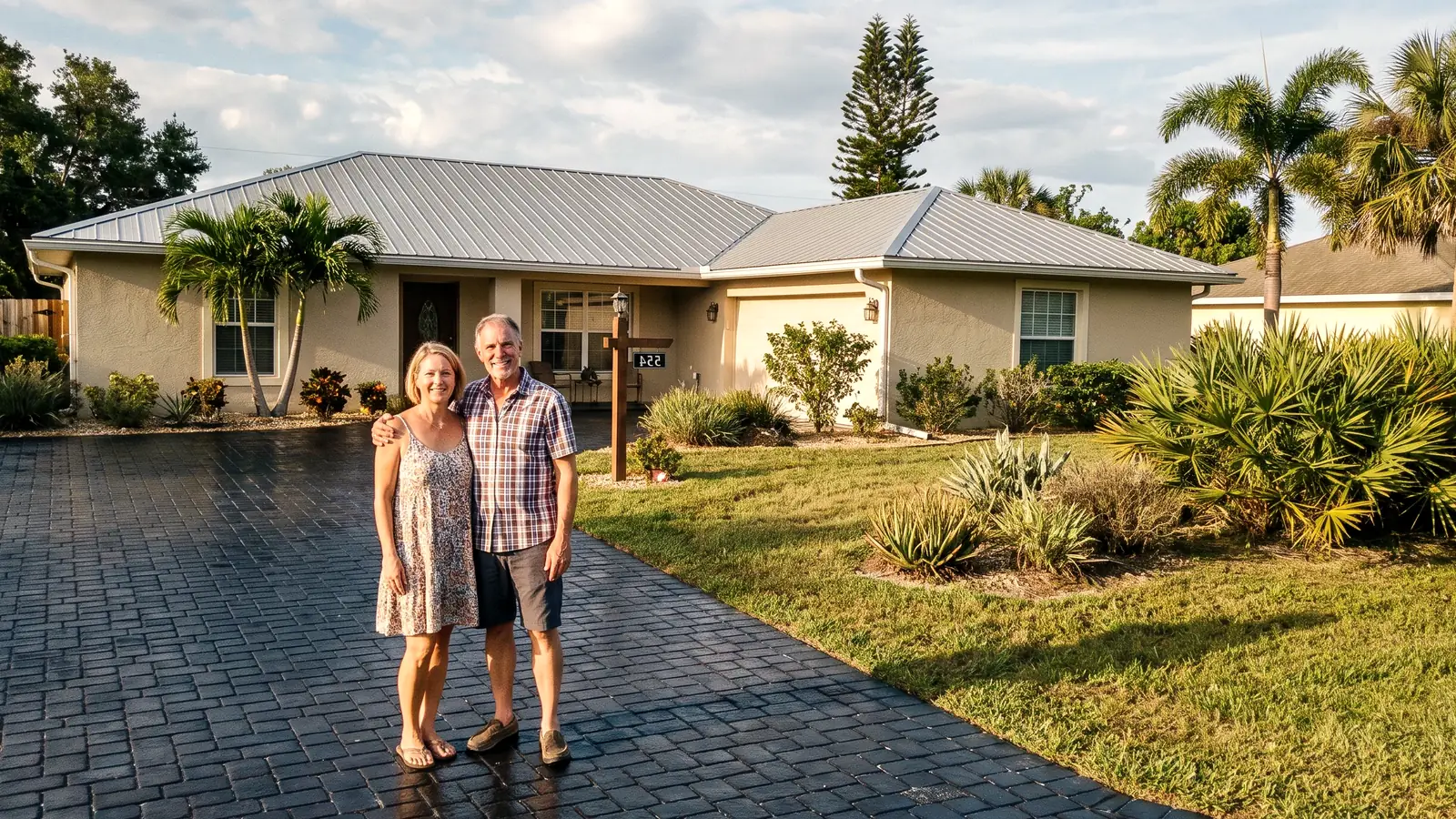
Paver sealing for Temple Terrace homes
Paver Sealing in Temple Terrace, FL
From 1920s Mediterranean homes to newer streets near I-75, Temple Terrace pavers get a free sealing estimate at (656) 254-3751.
- Brings out deeper paver color
- Fresh joint sand helps lock pavers in place
- Gives weeds less room to grow
- Makes the surface easier to keep clean
- Free estimate, no obligation
Request a Free Estimate
Free, no obligation.
Fast, careful paver sealing in Temple Terrace
Paver sealing is available across Temple Terrace, from the 1920s streets near the golf course to the newer blocks toward Interstate 75. A free estimate comes first, then a local contractor washes, re-sands and seals driveways, patios and pool decks. Ring (656) 254-3751 and the answer arrives within 1 business day, usually much sooner.
Picture a driveway that has gone gray under the oaks and a patio with moss in every joint. After a wash, fresh sand and a new coat, those pavers go back to one clean color. Or request a free quote and say what the surface looks like today.
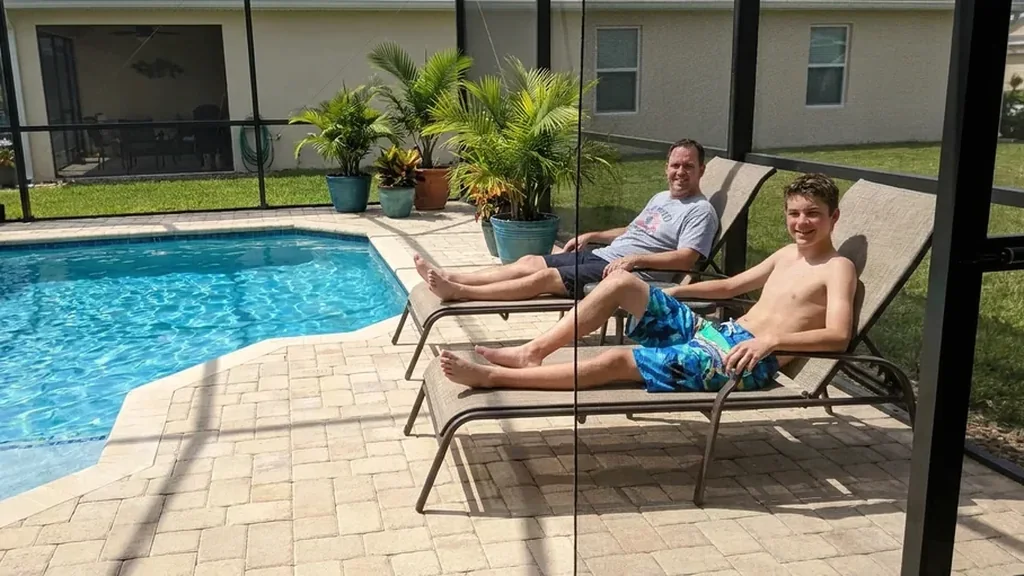
Why hire a local paver sealing contractor in Temple Terrace?
Temple Terrace homeowners tend to pick a local paver contractor because houses here come from three different eras, each with its own surfaces and its own history of coats. To hear how that fits your street, request a free quote.
Free look at your yard
Your Temple Terrace driveway, patio or pool deck gets measured and priced at no cost, and no work is agreed until you say so.
A price to compare
Expect to see $1.50 to $2.50 per square foot in Tampa Bay quotes for washing, sanding and sealing. Use it to check any Temple Terrace bid.
A finish that fits the house
Matte sits quietly beside stucco and tile, while a wet look gives a richer tone. Pick the one that suits your home.
No rush to say yes
Nobody pushes you to book. A Temple Terrace estimate is a price and a plan for your pavers, nothing more.
Get Your Free Estimate in Temple Terrace
Tell us about your pavers in Temple Terrace.
Free, no obligation
What paver problems show up most in Temple Terrace?
Tannin and leaf stains in a Tree City
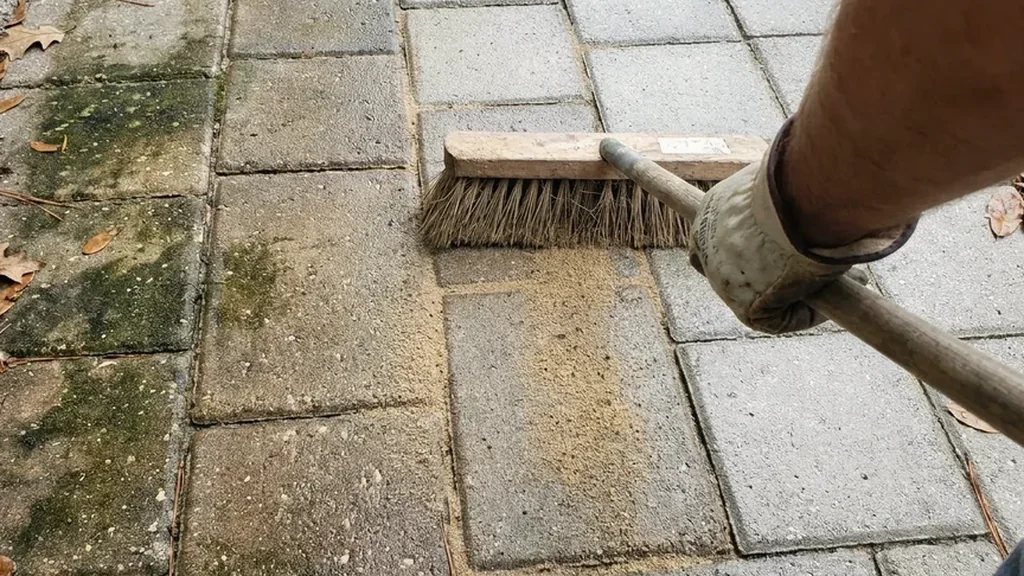
Sand live oaks are what the city is known for, and it is a Tree City USA. A Tampa Bay company says live oak leaves and acorns leave tannin stains that soak into unsealed pavers in older neighborhoods. Brown blotches under a canopy are likely tannin, and they need cleaning before any sealer goes on. Sweeping leaves off often keeps stains from sinking in so deeply. Wash first, seal second, since a coat over tannin locks the stain in. The Woodmont Clubhouse grounds hold live oaks and longleaf pines that escaped logging, which shows how old some of the tree cover is.
Dampness in the river valley
The Hillsborough River flows through the east and south of the city, and the Riverhills boardwalk follows its bank. Ground near water tends to hold moisture. Landscape Ontario says algae and moss grow on pavers mostly where shade is heavy and the surface stays damp, so riverside yards deserve a close look. A walk that never fully dries is the usual place for slick algae to take hold. Seal the clean surface and the next wash gets easier. Riverhills Park and Scout Park sit along the bank with a boardwalk and a 2-mile nature trail system, a sign of how much green frames the water here.
Fade on open driveways
Newer blocks toward Interstate 75 have fewer old trees, and driveways there take the full sun. A Tampa Bay company says strong sun fades pavers over time. A fresh coat gives the color a protective layer, and the contractor can show you finishes from matte to wet look. Ask the contractor to check the edges first, since sun and tire wear show up there. Matte and wet look finishes handle sun differently, so ask what each does for color. Subdivisions added after 1987 mean newer pavers and fewer big trees, so wear patterns differ from the 1920s core.
Sand lost to afternoon storms
The rainy season runs from late May to early October, with thunderstorms set off by sea breezes. According to a Riverview company, summer rain flushes sand from unsealed joints. Joints that empty let stones shift and give weeds a start, so a thin green line along an edge is an early sign. Fresh sand and a sealed surface help the joints stay full through the next wet season. Puddles that linger after a storm show where the sand is going. Open driveways toward Interstate 75 take sun and rain more directly than a patio under oaks, so sand loss and fading follow different patterns.
Three eras, three possible coats
Homes here date from the 1920s, the years after World War II and the 1984 to 1987 renewal that added new subdivisions. A previous Temple Terrace owner may have used a sealer nobody wrote down. A solvent-based old coat rules out water-based sealer, so the contractor needs to know what you have. A flaking spot hints that an old product is still on the surface. Tell the contractor what you know about the history of your pavers, even if it is only a guess. Mid-century homes, including at least two by architect Frank Albert DePasquale, sit near Mediterranean Revival houses, and the pavers around each may come from different decades.
Which part of Temple Terrace is my home in, and does it change the job?
It can, since the city grew in stages. The 1920s core near the golf course holds Mediterranean Revival homes by the architects Leo Elliott and Dwight James Baum, with 15 Elliott buildings and more than 35 Baum houses still standing. Pavers there may have been added decades after the house. When you request a free quote, mention roughly when your Temple Terrace home was built.
After World War II the city added mid-century modern homes, and between 1984 and 1987 it annexed Telecom Park and nearby land and created new subdivisions. Those newer blocks sit toward Interstate 75. Their pavers are younger and often get more sun. Call (656) 254-3751 and describe your street.
Temple Crest lies just west of the city along the Hillsborough River. It was platted in 1924 from part of the Temple orange grove. River frontage means more dampness on shaded walks, which affects how the contractor plans the cleaning. When you request a free quote, mention if your yard backs onto the water.
What does paver sealing cost in Temple Terrace?
A Temple Terrace bid should land near the $1.50 to $2.50 per square foot that Tampa Bay companies publish for washing, sanding and sealing. Your total follows the area, so a driveway, patio and pool deck add up faster than a single walk. Heavy stains or wobbly pavers add prep. To see a price for your yard, request a free quote.
Oak tannin and dense shade can add cleaning time, while open, sunny driveways are usually simpler. Finish choice shifts the material cost, so ask for a clear coat price and a wet look price together. Call (656) 254-3751 to find out which of these matter on your lot.
| Paved area | Typical example | Clean, sand and seal |
|---|---|---|
| 300 sq ft | Small patio or walkway | $450 to $750 |
| 600 sq ft | Two car driveway | $900 to $1,500 |
| 1,000 sq ft | Large driveway or pool deck | $1,500 to $2,500 |
| 1,500 sq ft | Driveway plus pool deck | $2,250 to $3,750 |
Math based on the $1.50 to $2.50 per square foot that Tampa Bay paver companies publish. Your contractor sets the actual price after seeing the surface. Repairs, leveling and stripping failed sealer are usually extra.
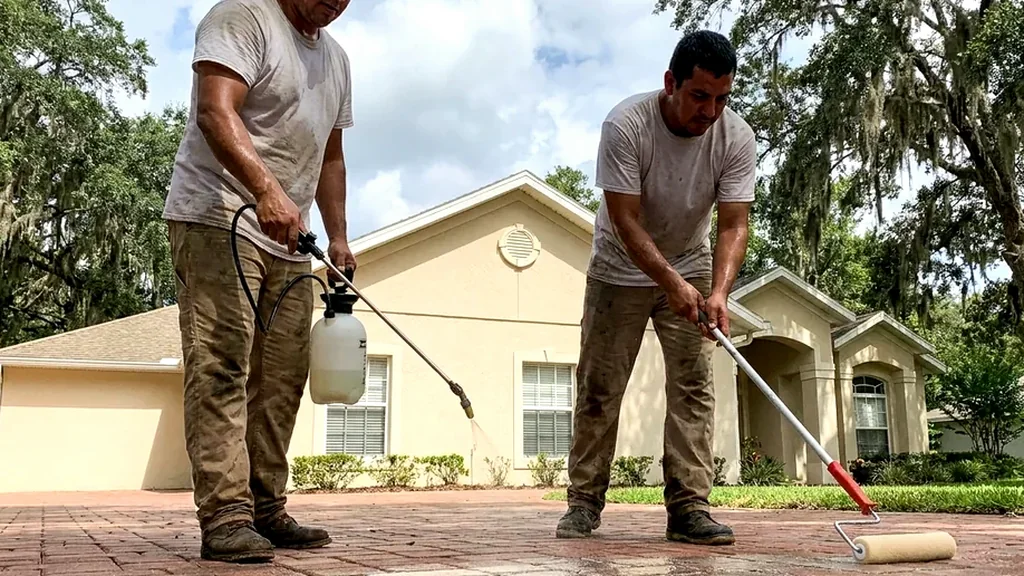
How does a paver sealing job work in Temple Terrace?
Read the yard
The contractor walks your Temple Terrace property to see where oak shade falls, where water collects and how the pavers meet the house. Dips and sunken stones are marked, since a coat locks in the shape beneath it. A written quote arrives before any work is booked.
Wash off tannin and growth
Leaf stains, green film and dirt come off in the wash. Moss in the joints is cleaned out at this stage too. Rinse water is kept off stucco, tile and plants where the pavers meet them. Anything left behind would be trapped under the finish.
Fill the joints
The wash takes joint sand with it, so new sand is added before the coat. Filled joints keep stones locked together and give weeds less room. A yard with years of rain damage may take more sand than you expect. Extra sand is brushed off the surface once the joints are full.
Waiting out wet weather
Pavers must dry before sealing. Afternoon storms are common from late May to early October, and a shaded patio under oaks can stay damp for hours. Tree cover and river air both slow the drying. Moving the date is a small cost next to redoing a cloudy coat.
Seal and set the wait
Then the sealer goes down in the finish you asked for. A coat wears thin over the years, and scuffs show sooner on a wet look than on matte. Per one Riverview company, wait 24 hours to walk on it and 48 hours to park. Keep cars, chairs and pets off until the contractor says it is ready.
Complete paver services in Temple Terrace
Every Temple Terrace job moves through the same stages: wash, sand, dry, seal. The wash clears leaf stains and green film, and fresh sand goes into the joints. Sealer comes last so nothing dirty stays underneath. Call (656) 254-3751 for a time estimate on each stage in your yard.
Driveways take sun and tires, patios and pool decks collect leaves, and walks near the river stay damp. Each surface weathers in its own way. List the ones you have when you request a free quote, and the contractor can set the order and the cleaning method.
Before any finish is chosen, the contractor learns what coat is already on the pavers. Matte keeps stucco and tile in the foreground, while a wet look gives a richer tone. To talk through which finish suits your house, call (656) 254-3751.
Rain visits most summer afternoons, and November is usually the driest month of the year. Stones must be dry before sealing, so wet weeks push dates back and dry weeks open them up. A contractor may shift a day if the forecast turns. To see what dates might work, request a free quote.
Questions to ask before you hire
- Does the finish come in a wet look and a natural look, and can I see a sample first?
- Will the estimate be in writing, with the sealer and the number of coats named?
- Will a sealed pool deck feel slick under wet feet?
- Does the quote include a full wash, new joint sand and a look at any settled pavers?
- How will you work out my square footage before the price is final?
- How do you keep the wash and the sealer off my plants, landscape lighting and garage door?
- Can you send proof of insurance before the day of the work?
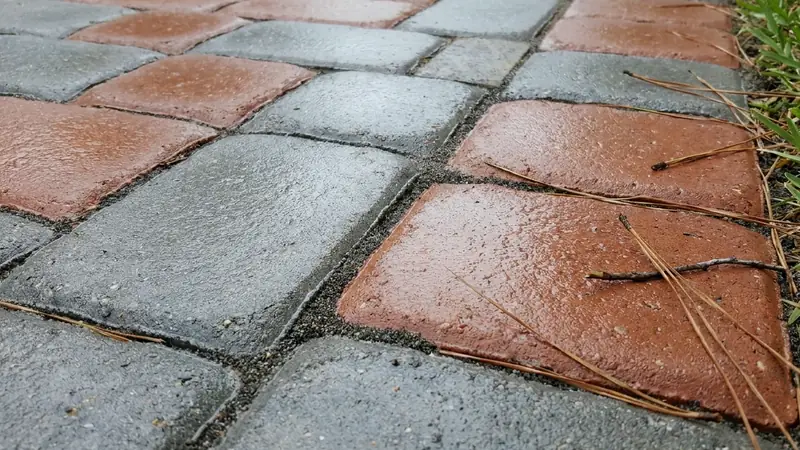
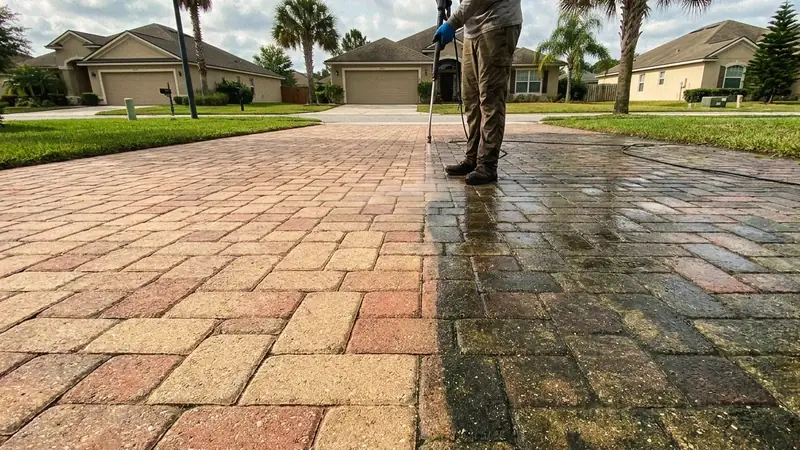
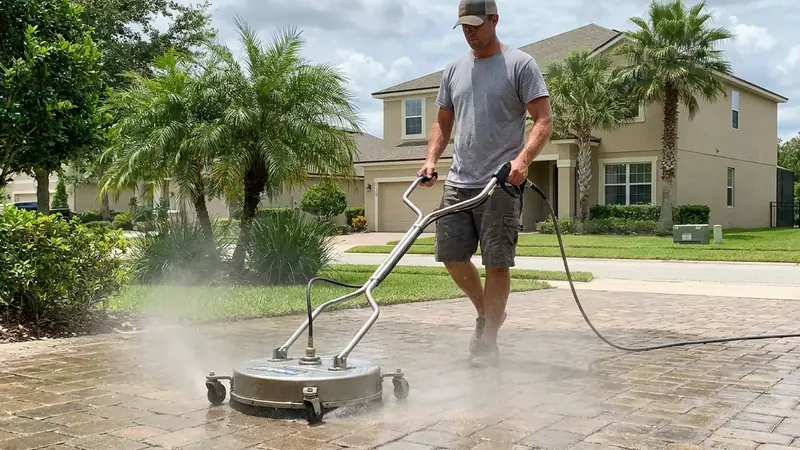
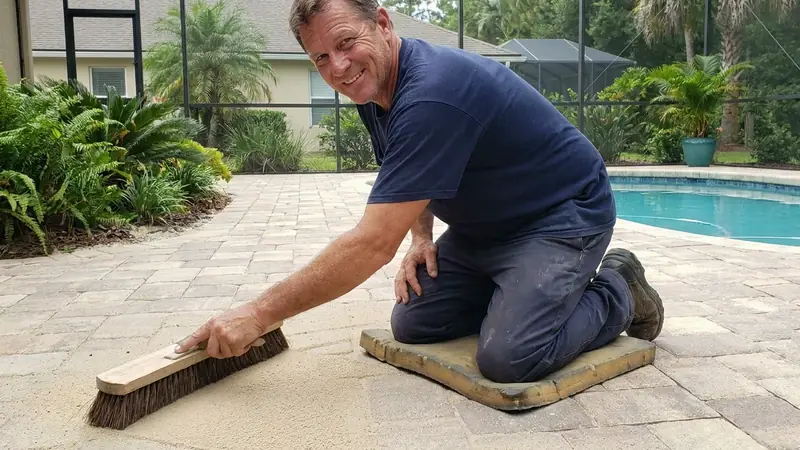
What do sealed pavers look like around Temple Terrace?
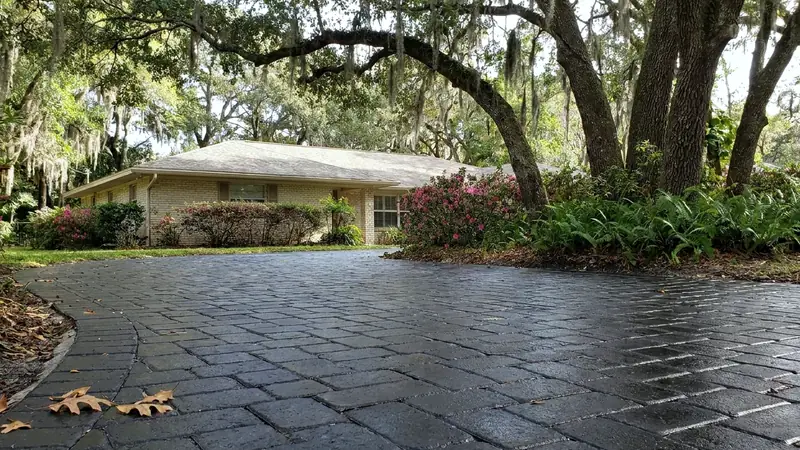
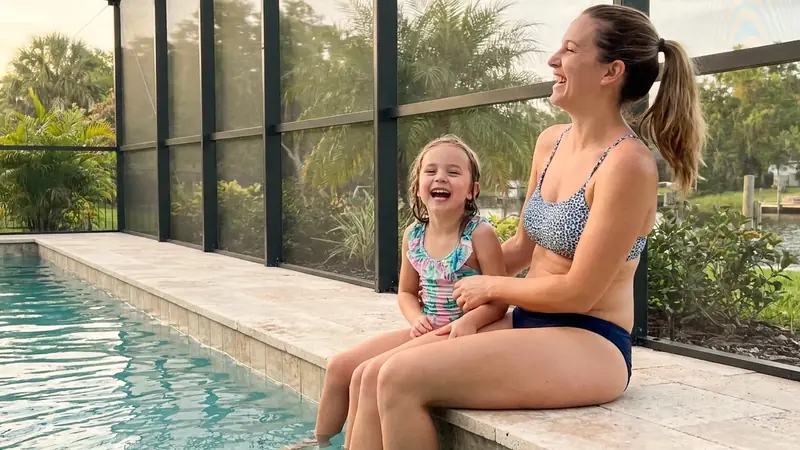
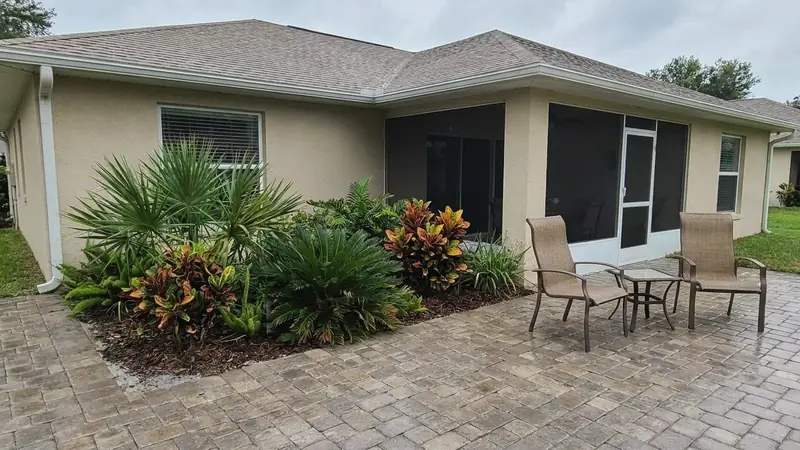
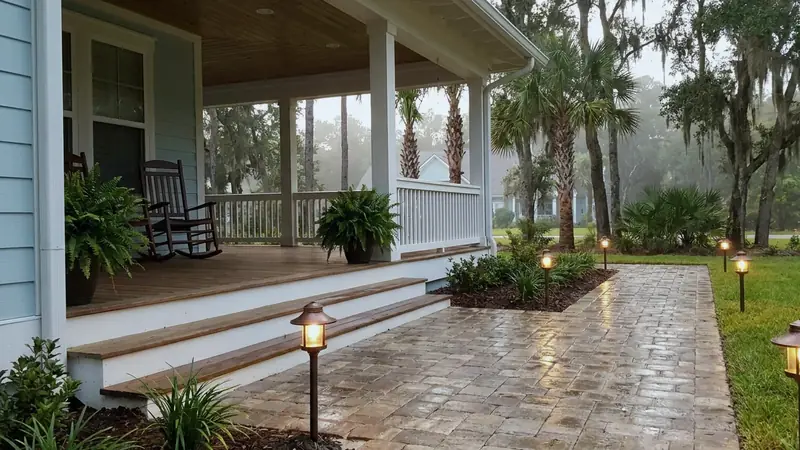
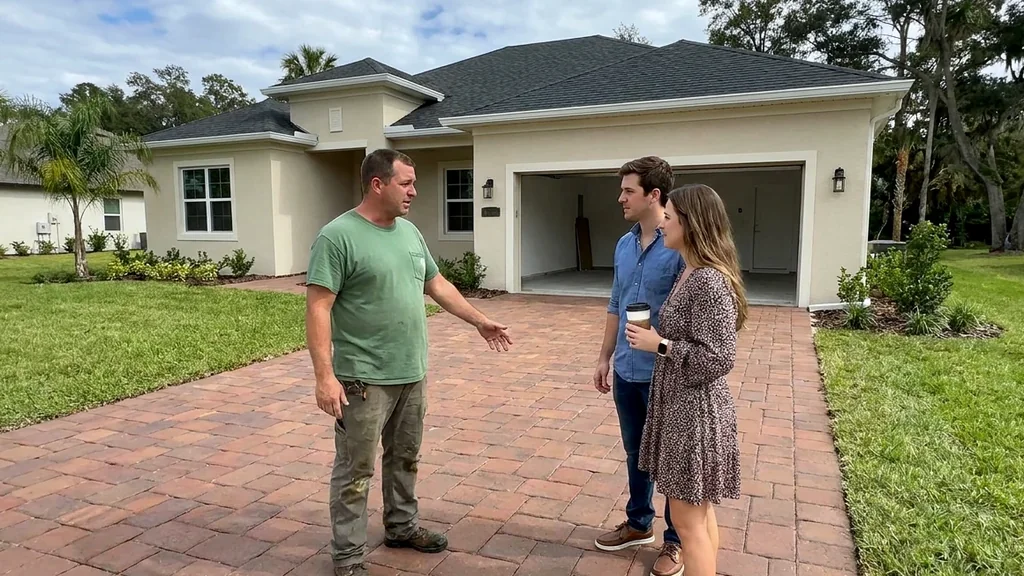
Why local matters in Temple Terrace
A contractor who works Temple Terrace knows the city came in layers. The 1920s core, the mid-century homes and the 1980s subdivisions each have their own paver history. That tells the contractor what to look for first. Call (656) 254-3751 and describe your house and its age.
Local work also means knowing the trees. Sand live oaks are part of the city's identity, and their leaves leave stains. A contractor used to that plans a longer wash and some patience with shaded walks. You can request a free quote and mention how much canopy covers your yard.
The river matters too, since the Hillsborough River bends through the east and south of the city. Dampness near it changes how fast pavers dry. A local contractor plans sealing days with that in mind. A question carries no obligation, so request a free quote.
What does the Temple orange have to do with Temple Terrace today?
The city is named for the Temple orange, a hybrid first grown in large quantity here, and the word terrace refers to the terraced ground by the river. A development company developed 5,000 acres of orange groves around the town in the 1920s. Temple Crest came out of part of that grove in 1924. If you live in or near it, request a free quote.
Bertha Palmer's Riverhills Ranch stood here before the town, and the Woodmont Clubhouse, built in 1914 as a stable, is the oldest building left. Tom Bendelow's golf course hosted the Florida Open in 1925 and 1926. Riverhills Park, Billy Graham Memorial Park and Sutton Hall at Florida College are also local landmarks. Call (656) 254-3751 and tell the contractor where you live.
Frequently Asked Questions
How often should I seal pavers in Temple Terrace?
Local shops talk about two to five years between coats, and a Tampa Bay company puts most reseal intervals at 3 to 5 years. A sunny driveway toward Interstate 75 may age faster than a patio under oaks. Ask how to spot a coat that is wearing out before stains return.
How much does paver sealing cost in Temple Terrace?
Published Tampa Bay prices run $1.50 to $2.50 per square foot for washing, sanding and sealing. In Temple Terrace, oak stains, loose pavers and your choice of finish change the total. Ask that the estimate state the measured area.
Is it better to spray or roll paver sealer in Temple Terrace?
Crews may spray, roll or combine the two, and the choice follows the surface and the sealer. A spray covers area quickly, and a roller can press sealer into the joints. Ask which method the contractor plans to use and why it suits your driveway. The method matters less than careful drying and even coverage.
What paver sealer should I use in Temple Terrace?
Sealers come water-based or solvent-based, and the coat now on your pavers picks the one that can go on. A water-based coat cannot be applied over solvent-based sealer, so the old product comes first. Keep a record of the product name for the next coat.
What is the catch with sealing pavers in Temple Terrace?
The coat thins with age, and a wet look scuffs sooner than matte. It needs dry pavers, so a wet week can bump your date. Yards under oaks stay damp longer, so allow extra days.
Can homeowners seal their own pavers in Temple Terrace?
Plenty of owners think about it, but sealing is more than rolling on a coat. The wash pulls out joint sand, the stones must dry fully, and a wrong product over an old coat can peel. A contractor handles those steps, and the estimate carries no obligation.
Will sealing stop moss and algae on my Temple Terrace patio?
A coat slows growth without ending it for good. Landscape Ontario says moss and algae grow on pavers mostly where shade is heavy and the surface stays damp. A sealed surface sheds dirt more easily, yet a patio in deep shade may still need cleaning from time to time. Ask the contractor how often to expect a cleaning between coats.
Does sealing help pavers near the Hillsborough River in Temple Terrace?
It can, since sealed pavers shed water and dirt more easily. Ground near the river tends to stay damp, and Landscape Ontario says algae grows mostly where shade is heavy and surfaces stay damp. A riverside yard may still need cleaning between coats, so ask the contractor what to expect.
Do mid-century homes in Temple Terrace need different paver care?
The pavers matter more than the house style. After World War II the city gained mid-century homes, and owners may have added walks or patios later without noting the product. The contractor looks at the surface, learns what coat is down and picks something that can go over it.
Is the oak shade in Temple Terrace a problem for sealed pavers?
Shade itself is not the problem, but it slows drying and feeds green film, and a Tampa Bay company says oak tannin soaks into unsealed pavers. A sealed surface is easier to wash, though leaves left sitting can still mark it. Sweep them off and ask for a cleaning plan between coats.
Do pavers in Temple Crest differ from those in Temple Terrace?
Temple Crest was platted in 1924 beside the city along the Hillsborough River, in what had been part of the Temple orange grove. River frontage means more damp on shaded walks, so the same cleaning care applies. Tell the contractor your street when you ask for a price.
How should I get my Temple Terrace yard ready for a sealing day?
Move cars, chairs and planters off the pavers, and clear leaves from the area. Tell the contractor where sprinklers spray so they can be switched off while the stones dry. Keep pets inside until the coat has cured.
Ready for a Free Estimate in Temple Terrace?
Call (656) 254-3751 and tell us about your pavers.
Free, no obligation